 By Admin
 Tech News
 5 Min Read
 Nov 14, 2026
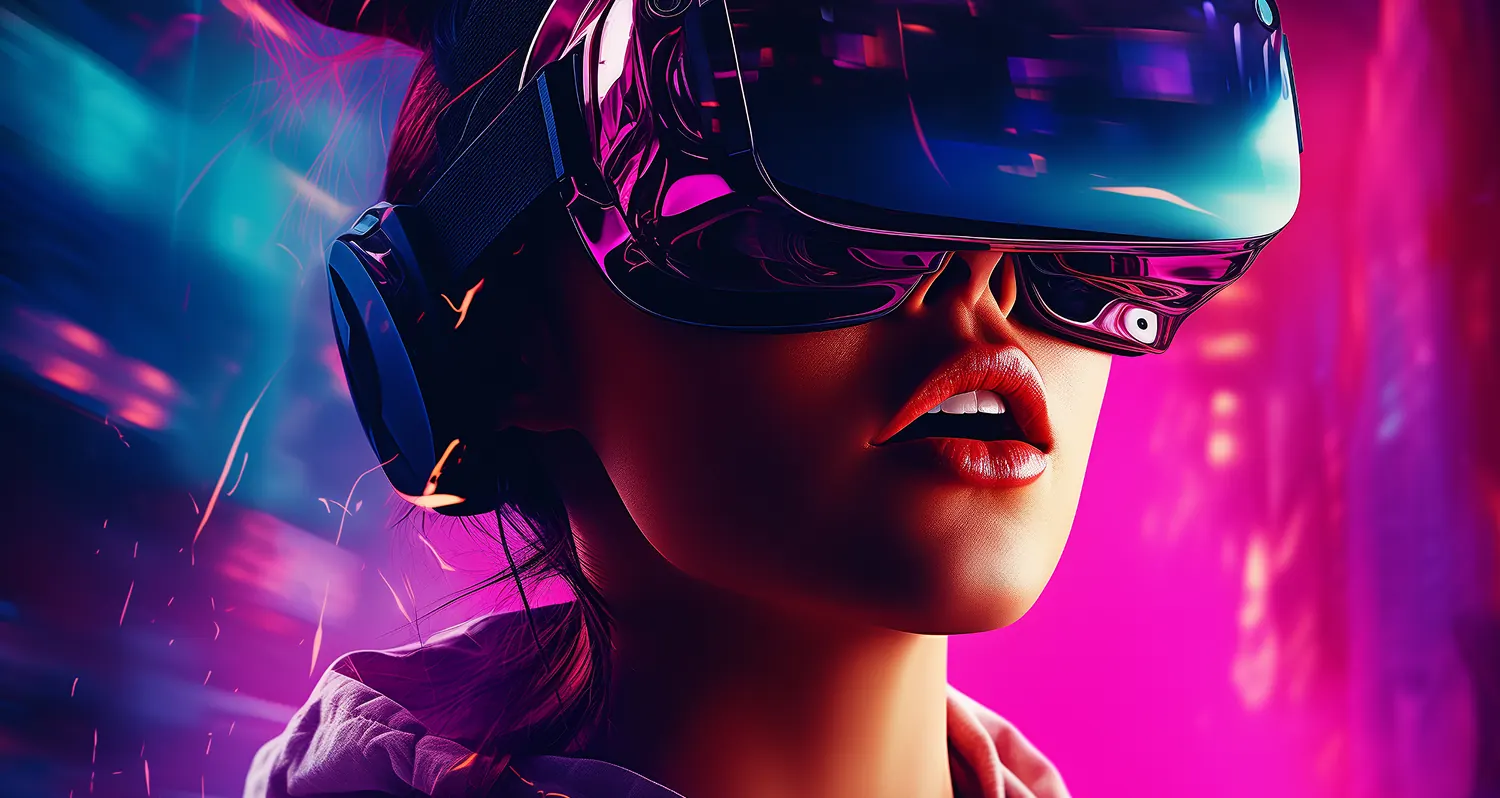
For nearly two years following the unveiling of Apple Vision Pro, spatial computing seemed confined to high-net-worth early adopters and specialized enterprise laboratories. That exclusivity has dissolved as Google, Samsung, and Qualcomm officially rolled out Android XR alongside the consumer launch of the Galaxy XR headset.
At an entry price of $1,799, the Galaxy XR directly attacks Vision Pro’s primary vulnerability—its $3,499 premium barrier. Backed by Google Gemini’s ambient spatial intelligence, the headset allows users to query real-world surroundings, orchestrate unlimited floating 3D windows, and bridge mobile Android apps without developer recompilation.

Android XR vs. VisionOS: The Battle of Ecosystems
Apple continues to reinforce its high-end moat with visionOS, providing unsurpassed eye-and-hand tracking latency and micro-OLED rendering that remains the gold standard for cinematic entertainment and surgical visualization. However, Apple’s closed ecosystem is now facing the collective weight of the open hardware alliance.
Samsung, Sony, and independent headset makers are leveraging Qualcomm’s Snapdragon XR2+ Gen 2 architecture to produce diverse form factors: from immersive gaming goggles to featherweight enterprise viewfinders. Meta, meanwhile, retains commanding consumer market volume with Quest 3S while fast-tracking its Orion AR holographic glasses.
- Multi-tier price competition: Headsets now span from $299 consumer entry points up to $3,500 enterprise workstations.
- Contextual spatial AI: Multimodal assistants analyze real-world physical schematics and generate interactive 3D overlays.
- Pancake lens optimization: Reduced optical path lengths eliminate front-heavy neck strain for prolonged work sessions.
- Universal developer frameworks: WebXR and OpenXR standards allow cross-platform spatial software distribution.
“Spatial computing is following the historical arc of the personal computer and the smartphone: from an expensive bespoke workstation to an open, standardized operating environment.”
Toward the Everyday Smart Glasses Frontier
Industry analysts project that while ski-goggle visors will remain the power user benchmark for workstation computing, the ultimate consumer volume lies in discreet smart glasses.
With waveguide displays, micro-LED light engines, and conversational AI agents maturing rapidly, the spatial computing arms race is rapidly delivering the post-smartphone future directly to our eyes.
Steve Jones
Steve Jones covers breaking technology news, mobile hardware engineering, enterprise AI and digital products for Technoveda. He analyzes breakthrough technology trends to deliver actionable insights for global readers.





 Previous Story



 Business Tech
 Smartphones
 Travel Tech
 Health Tech
 Tech Careers


Comments (2)
Liam Gallagher Nov 14, 2026
Fascinating piece. The rapid pace of hardware and software convergence highlighted here shows just how quickly these technologies are maturing beyond the prototype stage.
Sara Chen Nov 14, 2026
Great reporting on real-world adoption. This gives a much more practical perspective on what to expect from consumer tech over the coming months.
Leave a comment