
 By Admin
 Health Tech
 6 Min Read
 Nov 14, 2026
For years, consumer fitness tech relied heavily on surface-level metrics: total daily steps, estimated caloric burn, and resting heart rates. While useful, these figures offered little insight into internal cellular strain or acute physiological stress.
A wave of breakthrough health technologies launched in late 2026 has crossed into active metabolic diagnostics. By combining skin-interfaced microfluidic patches with smart hydration vessels that measure electrolyte concentration, AI platforms now track extracellular water loss, sodium depletion, and blood glucose fluctuations in real time.
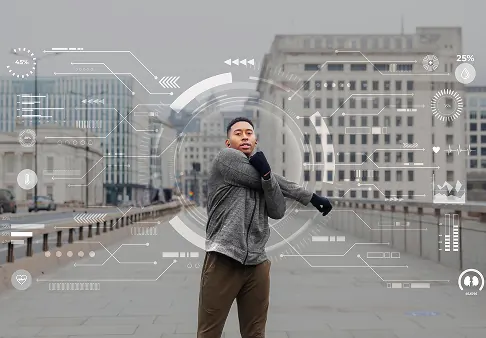
Machine Learning Coaches and Real-Time Electrolyte Telemetry
Leading health tech developers have integrated continuous bio-impedance sensors directly into connected hydration bottles and athlete wristbands. When a runner or outdoor worker experiences accelerated electrolyte loss under heat, the system calculates exact sodium, potassium, and fluid replacement needs.
Generative AI wellness models correlate this hydration telemetry with nocturnal heart rate variability (HRV) and peripheral capillary oxygen saturation (SpO2). The result is predictive fatigue forecasting that prevents heatstroke and muscular cramping hours before onset.
- Microfluidic sweat analysis: Nanowire sensors measure sweat rate, lactate thresholds, and chloride levels non-invasively.
- Connected smart flasks: Real-time ultrasonic volume tracking syncs fluid intake directly to training biometric logs.
- Cardiovascular recovery algorithms: Machine learning models adjust daily exertion targets based on cellular hydration status.
- Clinical integration: Secure FHIR data bridges allow preventative cardiologists to review 30-day hydration curves.

“Hydration and electrolyte equilibrium are the most neglected biomarkers in modern wellness. Microfluidic sensors and predictive AI are turning subtle cellular shifts into lifesaving alerts.”
Preventative Wellness and Longevity Medicine
As preventative longevity medicine gains global traction, consumers are embracing continuous biometric telemetry not just for marathon training, but for healthy aging and chronic disease mitigation.
By catching dehydration-induced kidney stress and metabolic dips early, AI-guided preventative hardware is helping individuals maintain optimal physical performance and long-term vitality.
Steve Jones
Steve Jones covers breaking technology news, mobile hardware engineering, enterprise AI and digital products for Technoveda. He analyzes breakthrough technology trends to deliver actionable insights for global readers.





 Previous Story



 Technology
 Business Tech
 Smartphones
 Travel Tech
 Health Tech
 Tech Careers

Comments (2)
Liam Gallagher Nov 14, 2026
Fascinating piece. The rapid pace of hardware and software convergence highlighted here shows just how quickly these technologies are maturing beyond the prototype stage.
Sara Chen Nov 14, 2026
Great reporting on real-world adoption. This gives a much more practical perspective on what to expect from consumer tech over the coming months.
Leave a comment