
 By Admin
 Products
For generations, home cooking was fraught with anxiety and guesswork: cutting into a holiday turkey or prime rib only to discover it was overcooked and dry, or pulling baked sourdough from a conventional oven with an unevenly scorched crust. Legacy kitchen stoves fluctuated wildly by 25°C around setpoints.
In late 2026, the connected smart kitchen has brought laboratory-grade precision thermodynamics into residential culinary spaces. Combining high-precision wireless temperature sensors, closed-loop PID microcontrollers, and steam injection, smart kitchen appliances take the guesswork out of gourmet cooking.
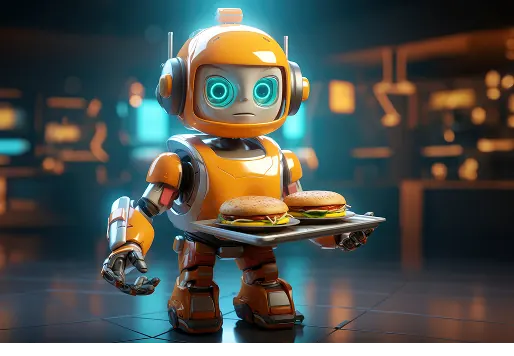
Anova Precision Oven 2.0 and MEATER Pro: Closed-Loop Perfection
The gold standard in modern smart cooking is the combi-steam oven, led by the Anova Precision Oven 2.0 and Breville Joule Oven Air Fryer Pro. By independently regulating dry heat temperature and relative humidity percentage, combi-ovens deliver 'bagless sous vide' precision—cooking proteins to an exact internal core temperature before automatically firing high-intensity convection heaters to sear a golden crust.
Working in tandem are sub-millimeter wireless probes like the MEATER Pro (Smart Meat Thermometer). Featuring five internal thermal sensors and an ambient heat sensor capable of withstanding 550°C open-flame searing, the probe's onboard Bluetooth 5.4 chip transmits real-time core temperature curves to your smartphone, predicting the exact rest time required for restaurant-grade doneness.
- Combi-Steam Humidity Control: Regulates relative humidity from 0% to 100%, preventing moisture loss in roast meats and poultry.
- Multi-Sensor Wireless Probes: Five internal sensors identify the true thermal center of steaks and roasts to within 0.1°C.
- Smart Multi-Zone Induction: Full-surface induction cooktops track pan position automatically, maintaining exact simmer temperatures.
- AI Computer Vision Recognition: Internal high-temp camera recognizes food types and automatically configures multi-stage cooking programs.
“Cooking is applied thermodynamics and chemistry. When you replace imprecise dial knobs with closed-loop PID algorithms, wireless core probes, and controlled steam injection, food perfection becomes entirely repeatable.”— Chef Marcus Hällqvist, Michelin-Starred Culinary Technologist

The Verdict for Food Lovers and Home Entertainers
Whether hosting Thanksgiving holiday feasts, preparing quick weekday dinners, or baking artisanal sourdough loaves, precision culinary gadgets deliver effortless, flawless results every time.
By replacing kitchen stress with deterministic scientific precision, smart culinary appliances represent the most delicious product upgrade any homeowner can make.
Senior Hardware & Products Editor
Steve Jones is Technoveda’s Senior Hardware & Products Editor. With over a decade of experience testing and benchmarking consumer electronics, smart mobility systems, audiophile gear, and cutting-edge gadgetry, his rigorous laboratory reviews deliver actionable purchasing guidance for tech enthusiasts worldwide.





 Previous Review

Dual-Screen E-Paper Notepads and Foldable Workstations: Reviewing the Best Color E-Ink Productivity Slates
 5 Min Read
 Nov 01, 2026


Smart MIDI Synthesizers and Neural Audio Keyboards: How AI Physical Keyboards and Generative Haptic Pianos Transform Studio Gear
5 Min Read
Nov 14, 2026
 Technology
 Business Tech
 Smartphones
 Travel Tech
 Health Tech
 Tech Careers



Comments (2)
Jordan Blake
Nov 14, 2026 at 11:30 AMFinally a review that delves deep into the hardware engineering and actual battery performance under real-world conditions rather than just reading off the spec sheet. Superb analysis!
Samantha Rivera
Nov 14, 2026 at 12:15 PMAgreed! The comparison testing between dedicated silicon and traditional architecture really highlights how fast consumer hardware is advancing this year.