 By Admin
 Software
 5 Min Read
 Nov 07, 2026
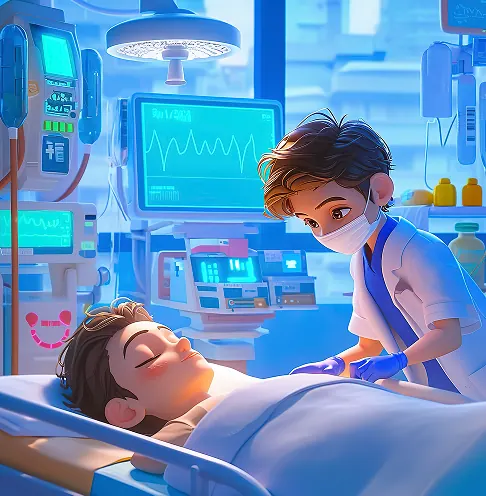
In modern hospital Intensive Care Units (ICUs) and telemetry wards, patient bedsides are surrounded by beeping monitors. Studies show that over 80% of bedside cardiac alarms are clinically insignificant false alarms caused by patient movement, loose electrode patches, or transient baseline wander. This constant acoustic barrage causes dangerous 'alarm fatigue', desensitizing clinicians to genuine emergencies.
In late 2026, the clinical healthcare software sector is experiencing a monumental transformation. Major Electronic Health Record (EHR) SaaS platforms—such as Epic Systems, Oracle Cerner, and specialized clinical software providers—are deploying FDA-cleared deep learning models that process raw continuous multi-lead electrocardiogram (ECG) telemetry in real time.
Deep Learning Waveform Analysis and HL7/FHIR Integration
Trained on millions of clinically adjudicated cardiac waveforms, these medical software algorithms analyze P-wave morphology, QRS interval duration, and subtle QT-prolongation dynamics at 1,000 Hz. Instead of sounding a loud siren every time a patient rolls over in bed, the software suppresses motion artifacts while continuously evaluating systemic ventricular arrhythmia risk.
Operating across standardized HL7 and FHIR cloud microservices, the software correlates telemetry data with real-time laboratory electrolyte panels (potassium and magnesium levels) and active medication orders. If an early warning signature of impending cardiac arrest or ventricular tachycardia emerges, the platform dispatches targeted critical alerts to the on-call code team’s mobile pagers.
- 85% False Alarm Reduction: Eliminates spurious alerts caused by patient shivering, electrode detachment, and electrical interference.
- Early Ventricular Tachycardia Warning: Detects micro-fractal ECG shifts up to 4 hours prior to acute clinical cardiac arrest.
- Seamless EHR FHIR Integration: Automatically logs verified arrhythmia events into patient medical charts with clinical timestamps.
- HIPAA & SOC2 Level 3 Compliance: End-to-end encrypted medical telemetry streams protect sensitive patient health data.
“In an intensive care unit, a nurse monitors twelve patients simultaneously. Alert fatigue from false alarms is a chronic hazard. Deep learning telemetry models filter out 85% of false alarms while detecting subtle ST-elevation shifts invisible to the naked eye.”— Dr. Ethan Vance, Chief Medical Information Officer at Metro Health System

Saving Lives Through Intelligent Clinical Software
By replacing dumb threshold buzzers with cognitive waveform analytics, clinical cardiology SaaS is safeguarding patients and rejuvenating exhausted hospital nursing staffs.
As hospital networks worldwide adopt cloud-native diagnostic AI, healthcare software is fulfilling its highest calling: delivering life-saving intervention when seconds count most.
Senior Software Correspondent
Steve Jones covers cloud architecture, operating systems, enterprise SaaS, and developer tools for Technoveda. He analyzes software engineering breakthroughs and modern application infrastructure to deliver actionable guidance for technical leaders worldwide.





 Previous Story



 Technology
 Business Tech
 Smartphones
 Travel Tech
 Tech Careers
Comments (2)
Liam O'Connor
Nov 14, 2026 at 12:45 PMThe speed at which modern software engineering stacks are shifting toward autonomous agents and WASM edge runtimes is remarkable. It truly levels the playing field for agile engineering teams.
Elena Rostova
Nov 14, 2026 at 01:20 PMCompletely agree! The elimination of cloud cold-starts and manual infrastructure boilerplate allows developers to focus on product architecture rather than wrestling with servers.